A chrome push button can be an attractive control for a custom marine project, but a boat's electrical environment deserves careful planning. Before using a 12V push button ignition switch on board, verify the electrical system, the intended circuit and the suitability of the installation location.
Confirm the electrical system first
The EFHIPS switch is designed for compatible 12V applications, including certain car, truck and boat projects. That does not mean it fits every vessel or every engine-control arrangement. Confirm the system voltage and review the manufacturer's electrical documentation before choosing the switch.
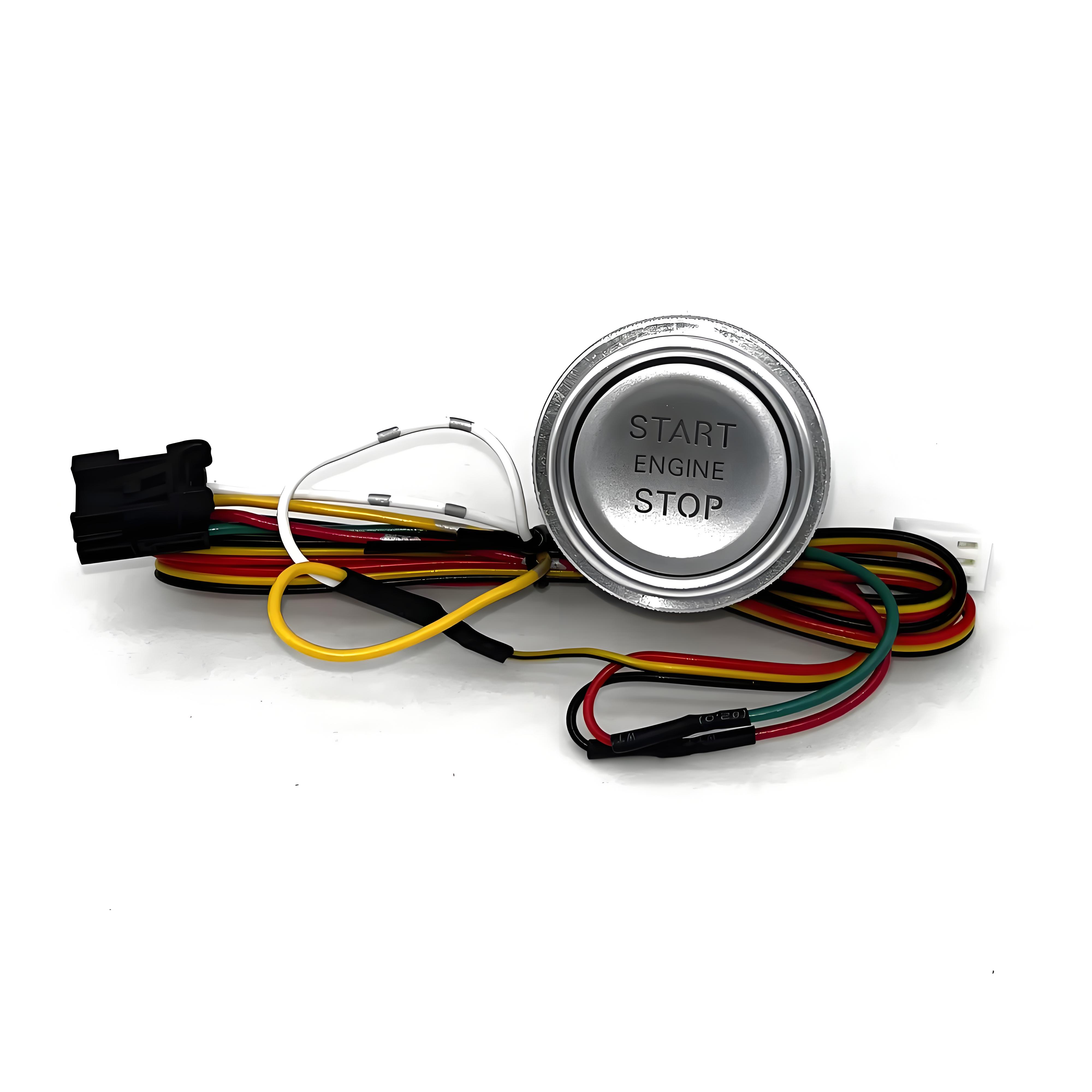
Understand the role of the switch
This product is a standalone push button control with a pre-attached, color-coded wiring harness. It is not a complete marine engine-management system, security module or remote-start package. The installer must determine whether the existing ignition and starter-control circuits are compatible with the switch.
Do not remove, defeat or improvise around manufacturer-installed neutral-safety, lanyard/kill, interlock, immobilizer or other protective systems. If the intended installation could affect a safety device, consult a qualified marine technician.
Consider the marine environment
Boats may expose electrical components to humidity, spray, vibration and corrosion. A visually suitable dashboard position is not automatically a suitable electrical location.
- Choose a location protected from direct water exposure unless the component is specifically rated for that environment.
- Use appropriate marine-grade wiring practices, connectors and circuit protection for the vessel.
- Secure the harness against vibration and abrasion.
- Keep wiring away from fuel lines, hot surfaces and moving mechanical parts.
- Follow applicable vessel and engine manufacturer requirements.
Plan the mounting location
Check the panel thickness, opening dimensions and clearance behind the control panel using the actual product specifications. Make sure the operator can reach the button naturally and that the switch cannot be pressed accidentally during normal movement.
Have the circuit checked by a marine professional
Marine electrical systems vary. A qualified marine technician can verify the circuit design, identify the correct conductors, confirm protection requirements and assess whether the switch is appropriate for the engine-control arrangement.
Send the vessel type, engine/control details, system voltage and intended use to the EFHIPS support team. This information helps clarify whether the standalone switch is the right component for the project.
Marine installation checklist
- Compatible 12V electrical system confirmed.
- Engine and ignition-control requirements reviewed.
- All factory safety devices remain functional.
- Location protected from unsuitable moisture exposure.
- Correct wiring, connectors and circuit protection selected.
- Mounting clearance and harness routing checked.
Final thoughts
A 12V push button switch may be suitable for a carefully designed marine project, but suitability must be established for the specific vessel and engine. Treat the switch as one component in the electrical system, not as a universal replacement for the boat's complete start-control equipment.
Related Reading
- What Does a 12V Push Button Ignition Switch Actually Do?
- 12V Push Button Switch Wiring: What to Check Before Connecting the Harness
- Where Should You Mount a 12V Push Button Start Switch?
Explore the EFHIPS 12V Push Button Switch
Review the product details and contact EFHIPS to discuss your application before ordering.
View Product Details